Best Sights and Landmarks in Thessaloniki
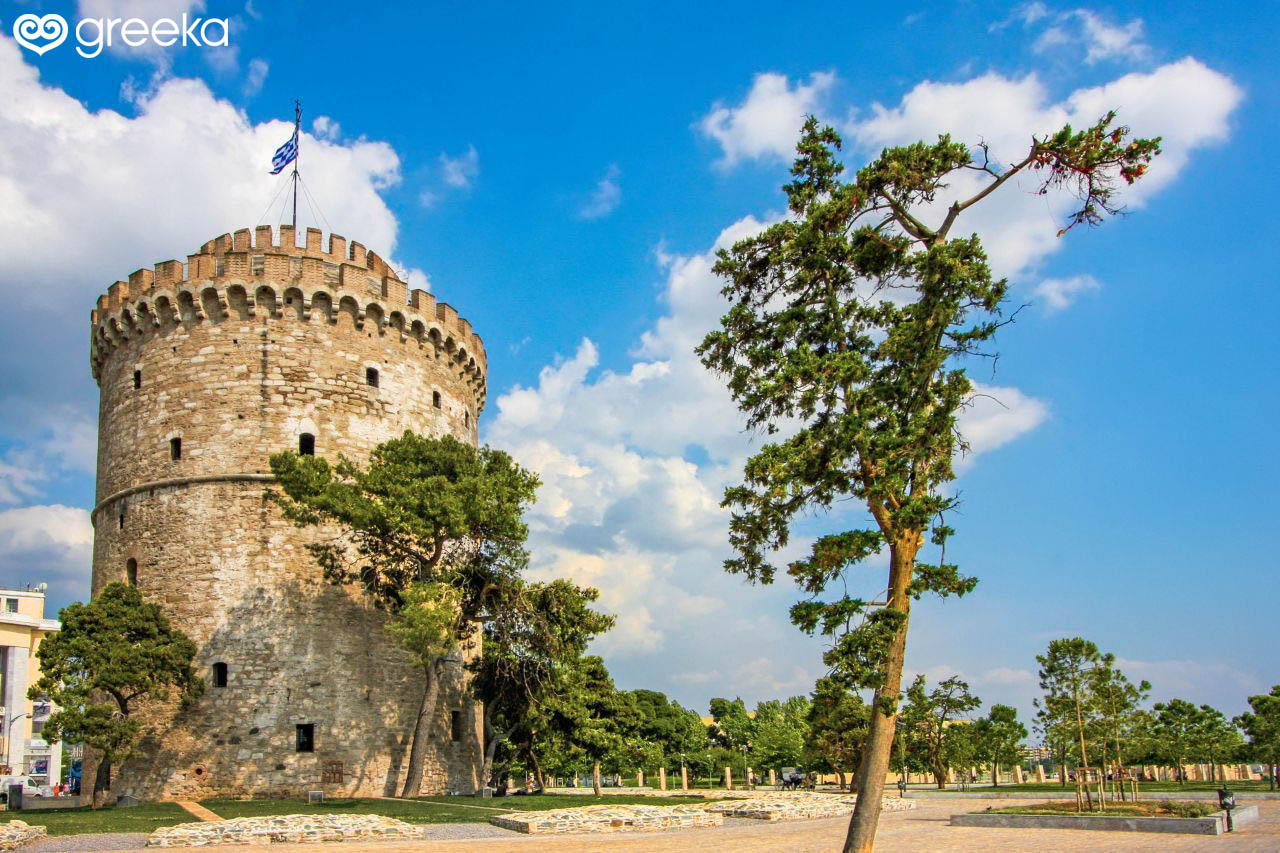


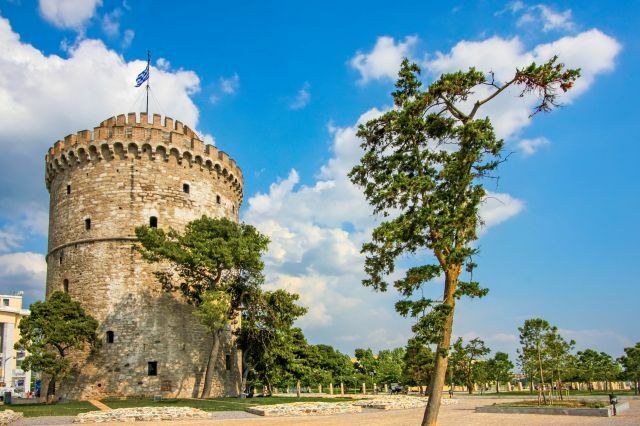
White Tower
CastlesThe White Tower is the symbol of Thessaloniki. Constructed in the 16th century by the Ottomans, it was used as a fortress, a prison, and a university workshop. Today it hosts a museum.
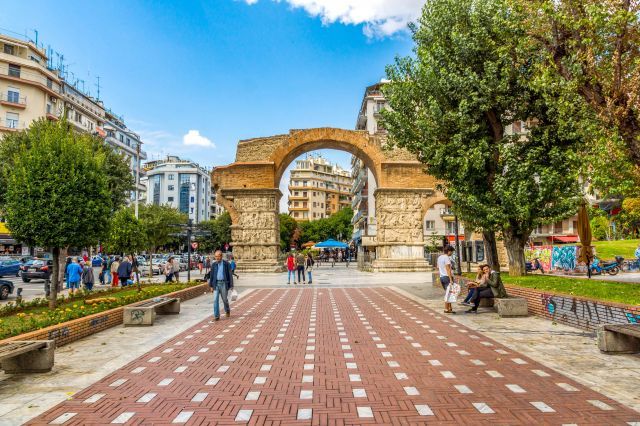
Arch of Galerius
Ancient SitesAlso known as Kamara, the Arch of Galerius was constructed in 306 AD to celebrate and commemorate the final victory of Roman general Galerius over the Persians. This victory is the main theme of the carved scenes on the arch, which was connected with the Palace of Galerius and the Rotonda.
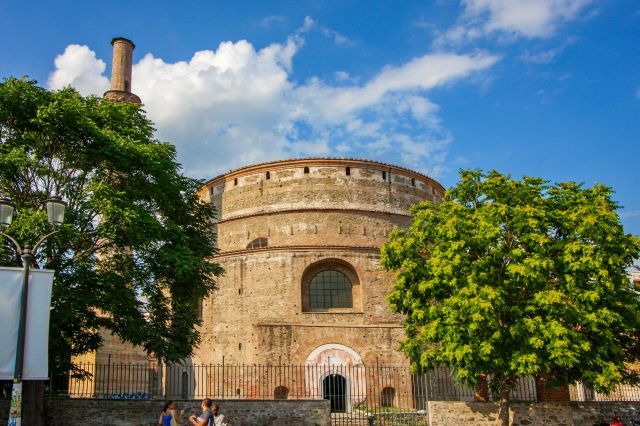
Rotonda Monument
MonumentsThe Rotonda is an impressive cylindrical building standing close to the Arch of Galerius in the center of Thessaloniki. Dating from Roman times, it boasts magnificent mosaics and an impressive minaret reflecting its subsequent use as a church and a mosque respectively.
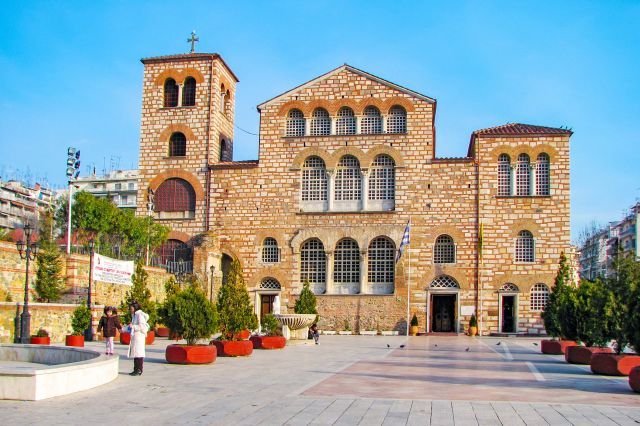
Church of Agios Dimitrios
ChurchesThe church of Agios Dimitrios (Saint Demetrius) is the most famous in Thessaloniki and is dedicated to the city's patron saint. It dates back to the Byzantine Times and was built on the exact location of Saint Demetrius’ martyrdom.
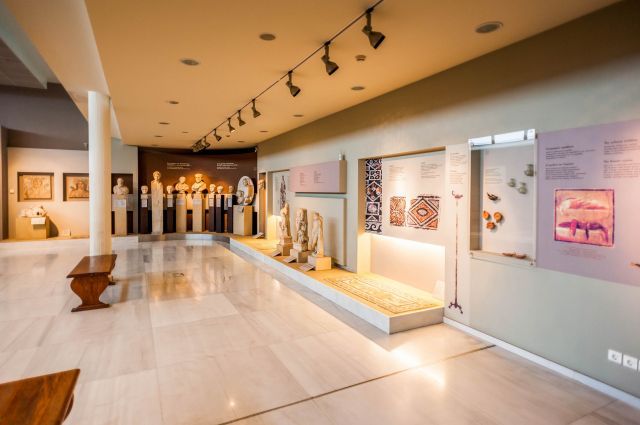
Archaeological Museum
MuseumsThe Archaeological Museum aims to present the way of life and socialization of the tribes that lived in Thessaloniki and the wider region of Macedonia from prehistoric times onward.
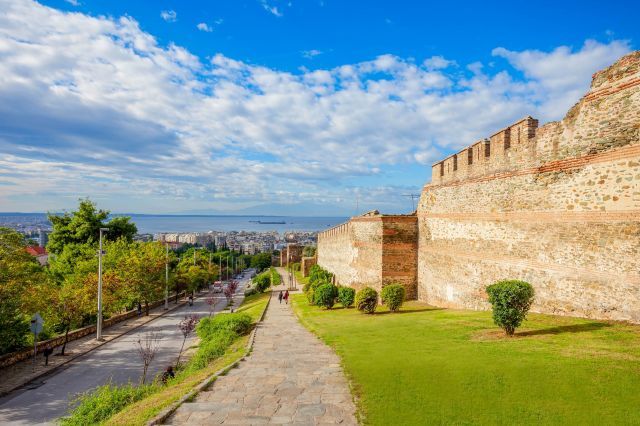
Castle
CastlesAlso known as Yedi Kule or Heptapyrgion, the Castle of Thessaloniki is a fortress constructed throughout the Byzantine and Ottoman eras. Standing just above the Old Town, it boasts magnificent views of the city and the Aegean Sea.
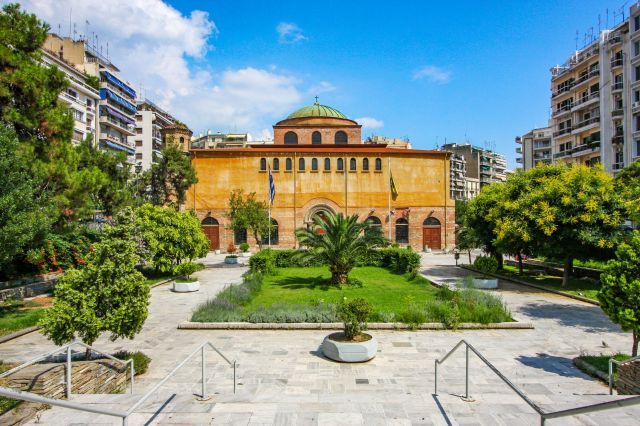
Church of Agia Sofia
ChurchesLocated in the city center, this is among the most important churches of Thessaloniki. Built sometime around the 7th to 8th centuries, its design was influenced by the namesake grand church in Constantinople.
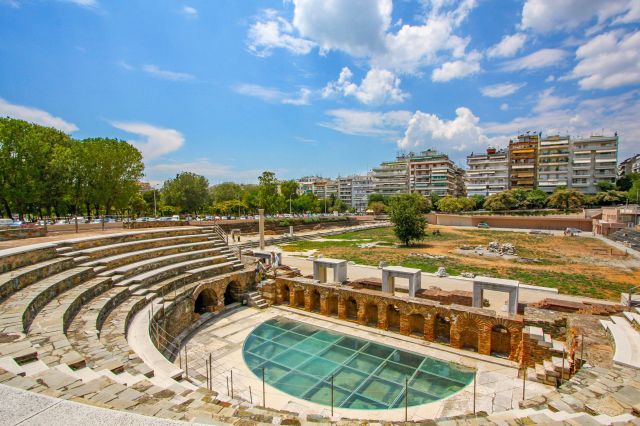
Roman Market
Ancient SitesLocated close to Aristotelous Square, the Roman Forum was the social center of ancient Thessaloniki. Visitors can see the restored Odeon and the covered stoa, as well as the Museum of the Roman Forum.
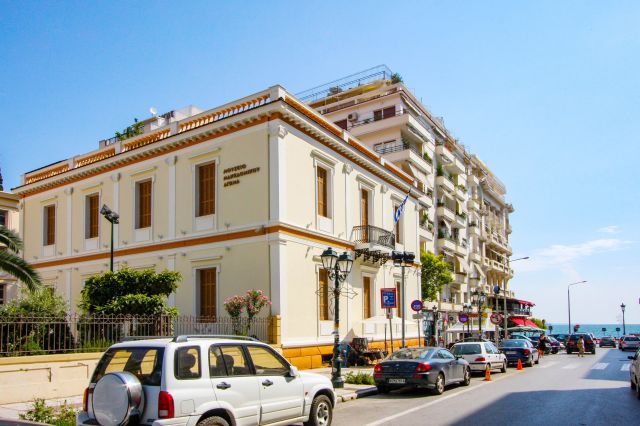
Museum for Macedonian Struggle
MuseumsThe Museum for the Macedonian Struggle is housed in a 19th-century Neoclassical building designed by the famous German architect Ernst Ziller. Through valuable exhibits, the museum presents the fight of the Macedonians and the people from northern Greece to be liberated from Ottoman rule and incorporated into the Greek State.
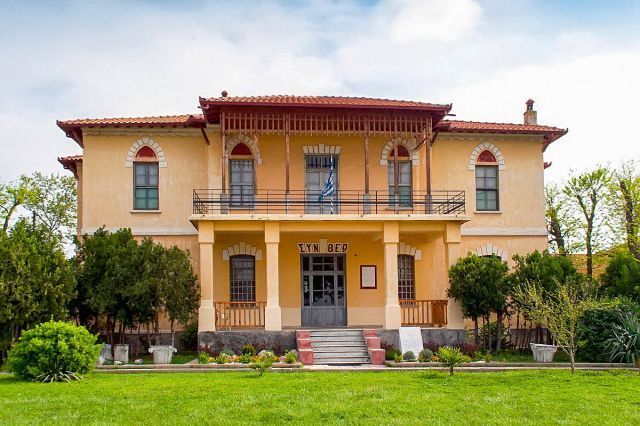
Balkan Wars Museum
MuseumsThe two Balkan Wars that took place in the early 20th century are very significant for Thessaloniki and the region of Macedonia in general. To commemorate these historical events, the Museum of the Balkan Wars was created in 1999, housed inside a restored mansion from the late 19th century.
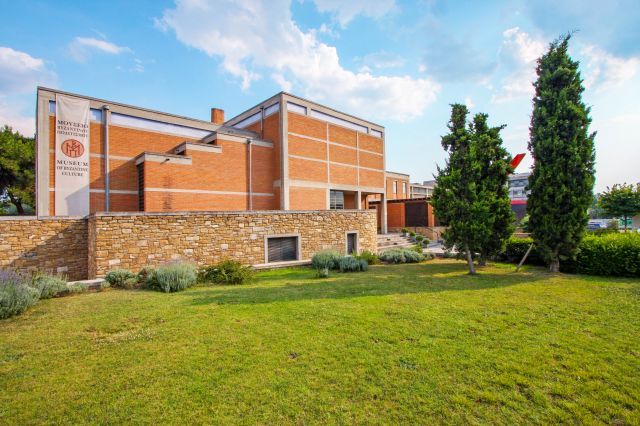
Byzantine Museum
MuseumsThe Museum of Byzantine Culture opened to the public in 1993. It houses 11 rooms in total that host permanent and temporary exhibitions as well as educational programs.
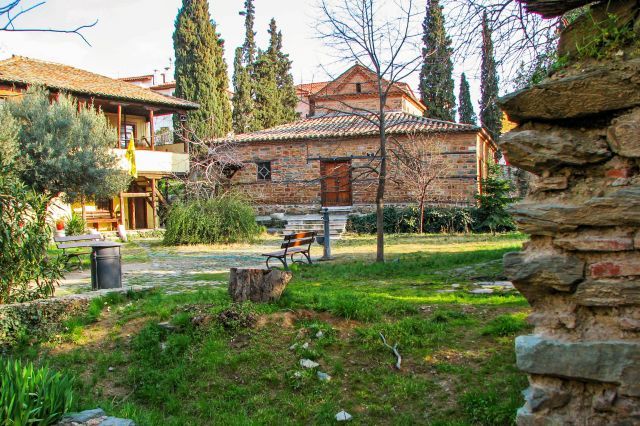
Church of Agios Nikolaos Orfanos
ChurchesThe church of Agios Nikolaos Orfanos is one of the oldest in Thessaloniki. It was built in the 14th century and contains valuable frescoes from Byzantine times.
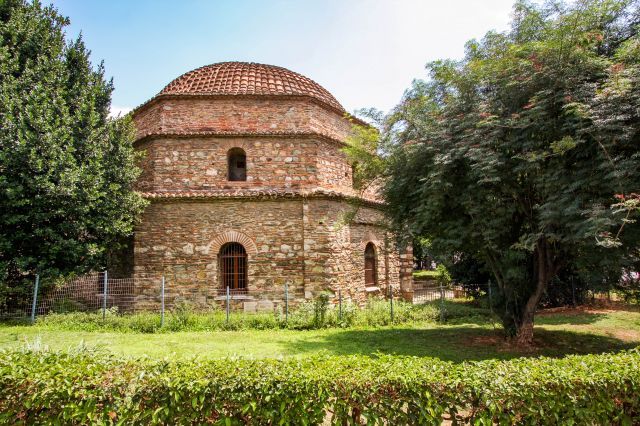
Bey Hamam
MonumentsTemporarily closed
Bey Hammam, alternatively known as the Baths of Paradise, is an old Ottoman bathhouse located along Egnatia Street. Originally built in 1444 by Sultan Murad II, it is among the most significant remains of the Ottoman occupation in Thessaloniki.
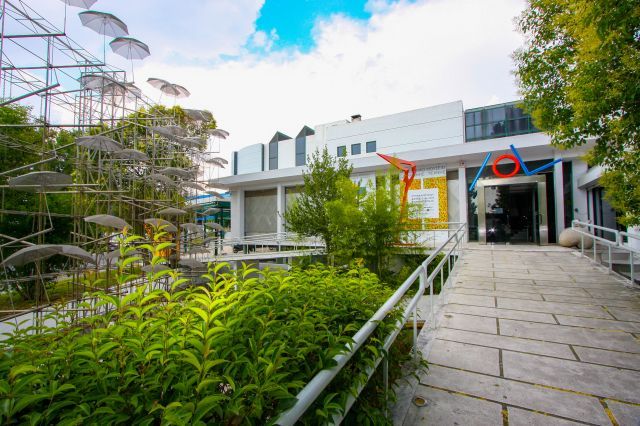
Macedonian Museum of Contemporary Art
MuseumsThe Macedonian Museum of Contemporary Art is housed in the Helexpo Exhibition Centre on Egnatia Street. It aims to promote Greek and international contemporary art and contribute to Greek cultural life.

War Museum
MuseumsThe Thessaloniki War Museum hosts seven permanent collections featuring items of major significance, including the official protocol of surrender of Thessaloniki to the Greeks.

Folklife and Ethnological Museum
MuseumsThe Folklife and Ethnological Museum in Villa Modiano introduces guests to the culture and traditions of Northern Greece’s recent past.
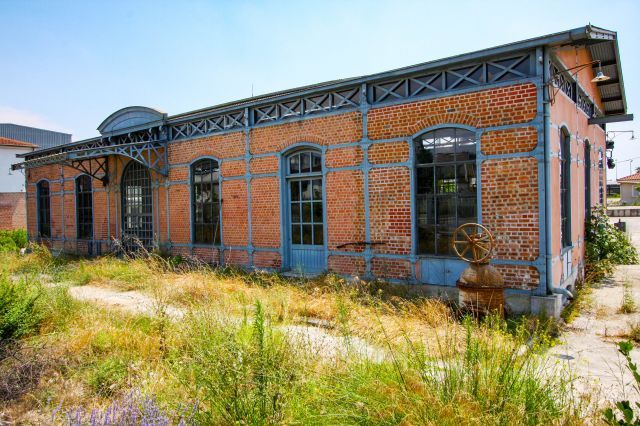
Waterworks Museum
MuseumsThe Waterworks Museum is housed in the old water supply building that worked continuously from 1894 till 1978. It displays the history of water supply in Thessaloniki.
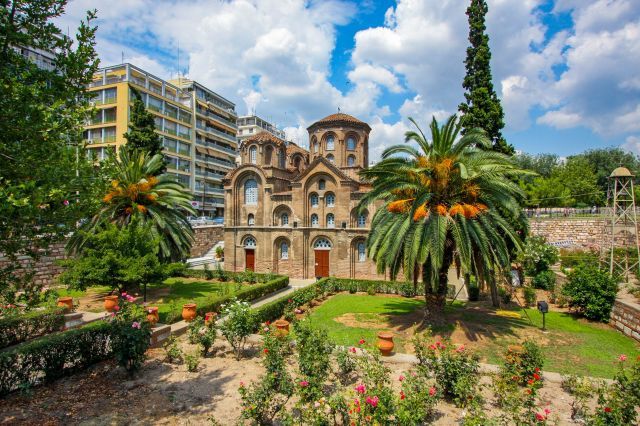
Church of Panagia Halkeon
ChurchesOn the southwest of the archaeological site of Roman Market, there is the Byzantine church of Panagia Chalkeon. Its name means "Virgin Mary of the Copper Smiths" in Greek, because of the many copper workshops that once resided in the area.
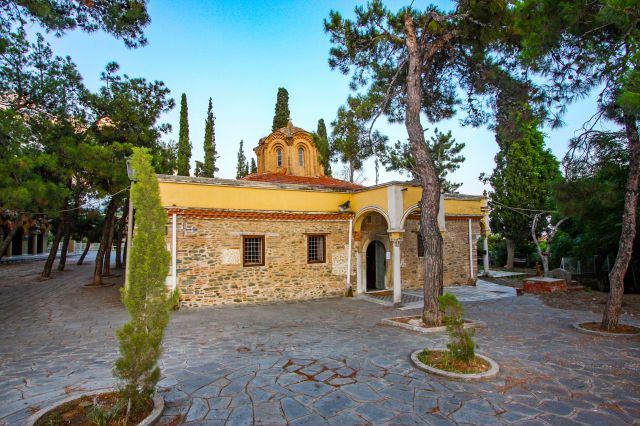
Monastery of Vlatadon
ChurchesConstructed in the 14th century, the Monastery of Vlatadon is one of the oldest and most historically important Byzantine Monuments in Thessaloniki, recognized as a UNESCO World Heritage Site since 1988.
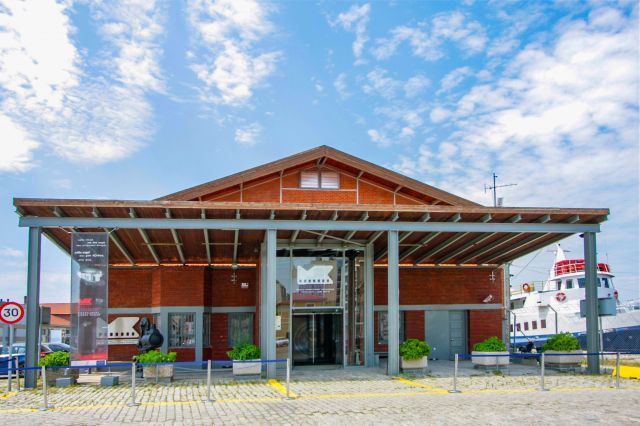
Cinema Museum
MuseumsThe aim of the museum is to collect, preserve and display items related to the history of cinema in Greece. The museum is based on the collection of Nikos Bililis, a cinematographer from Thessaloniki.
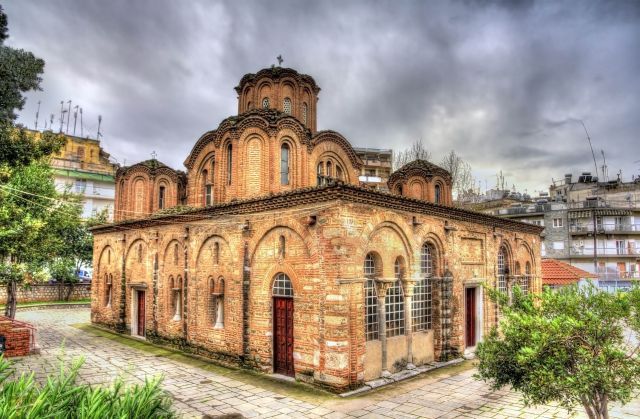
Church of the Holy Apostles
ChurchesThe church of the Holy Apostles is representative of the Palaiologian Era’s prosperity and art. Two chapels lie next to it.


